If you have a tree with Ash Dieback

So you think you have a Diseased Tree – what to do.

Identify

Among the first symptoms of Ash Dieback is that an ash tree might be infected is blackening and wilting of leaves and shoots in mid- to late summer (July to September). These months are the best time of year to survey ash trees for symptoms in the foliage. This is because once autumn begins in late September or October, the normal seasonal change in the colour of the leaves can be mistaken for symptoms of the disease.

Most infected leaves are shed prematurely by the tree, but in some cases the infection progresses from the leaves and into the twigs, branches and eventually the trunk, causing dark lesions, or cankers, to form in the bark. These often have a characteristic elongated-diamond shape.

Report a sighting

If you think you have spotted the disease IN A NEW AREA, please REPORT but check the distribution map and symptoms before reporting it.

  • Report sightings in Great Britain TreeAlert.

Management and Control

You are not legally required to take any particular action if you own infected ash trees, unless your country forestry or plant health authority serves you with a Statutory Plant Health Notice (SPHN) requiring action. This is unlikely.

With the exceptions of felling for public safety or timber production, Forest Research advises a general presumption against felling living ash trees, whether infected or not. This is because there is good evidence that a small proportion will be able to tolerate H. fraxineus infection. There is also the possibility that a proportion of ash trees can become diseased, but then recover to good health. These, too, would be valuable for research, although it is still too early to know whether there are such trees in the British ash population.

However, by keeping as many ash trees standing as possible, Forest Research can identify individuals which appear to survive exposure to the fungus and which can be used for breeding tolerant ash trees for the future.

That said, public safety must be the priority, so keep an eye on the trees’ safety as the disease progresses, and prune or fell them if they or their branches threaten to cause injury or damage. In particular, watch for basal lesions (lesions, or cankers, forming near the bottom of the trunk), which can weaken the trunk and make the tree more prone to falling.

There is no known cure, although some fungicides might be effective in suppressing the disease, enabling individual ash trees of particular value to be saved. These might include trees of high amenity, heritage or cultural value. However, such treatments often have to be re-applied periodically, perhaps every year, and can therefore be expensive.
More Information


Comedy Wildlife

Comedy Wildlife Photo Awards

The Comedy Wildlife Photo Awards published on 1st September the images shortlisted for its 2021 competition and opens voting for the People’s Choice Award – offering the public the chance to vote for their favourite funny photo.

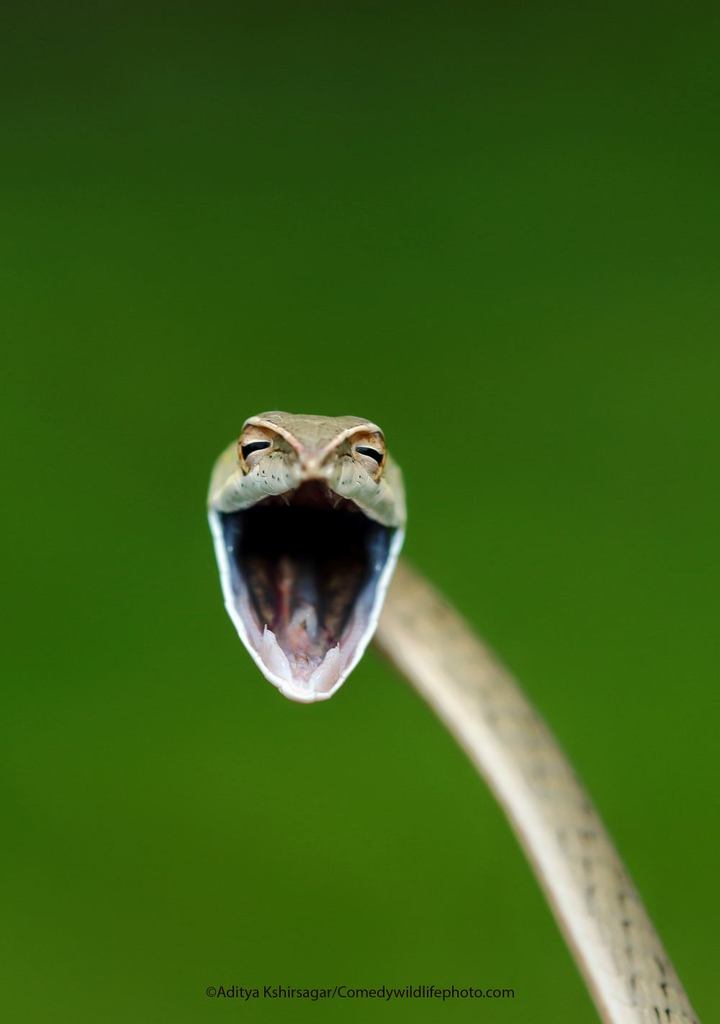
This year’s final shortlist of photographs showcases the biggest mix of animals seen in the competition to date. The final 42 images, plus the Portfolio and Video category entries from around the world include a laughing vine snake from India, a trio of strutting Gentoo penguins on the beaches of the Falkland Islands and a Kangaroo performing a picture-perfect Pavarotti impersonation in Australia.

Wildlife Conservation

The Comedy Wildlife Photography Awards was co-founded in 2015 by professional photographers Paul Joynson-Hicks MBE and Tom Sullam who wanted to create a competition that focused on the lighter side of wildlife photography and help promote wildlife conservation through humour. This year, the competition is supporting Save Wild Orangutans by donating 10% of its total net revenue to the charity. The initiative safeguards wild orangutans in and around Gunung Palung National Park, Borneo.

You can vote as well

Voting is also open for members of the public to choose the animal snap that made them laugh the loudest in the Affinity Photo People’s Choice Award. Sponsored by Affinity Photo, the People Choice Award’s previous winners include a singing ground squirrel and a bemused Alaskan otter. The public can cast their vote at www.comedywildlifephoto.com until 10 October 2021 and be in with the chance of winning a brand-new iPad.

Note we only had a few photos here, many more are on the WildlifePhoto website.

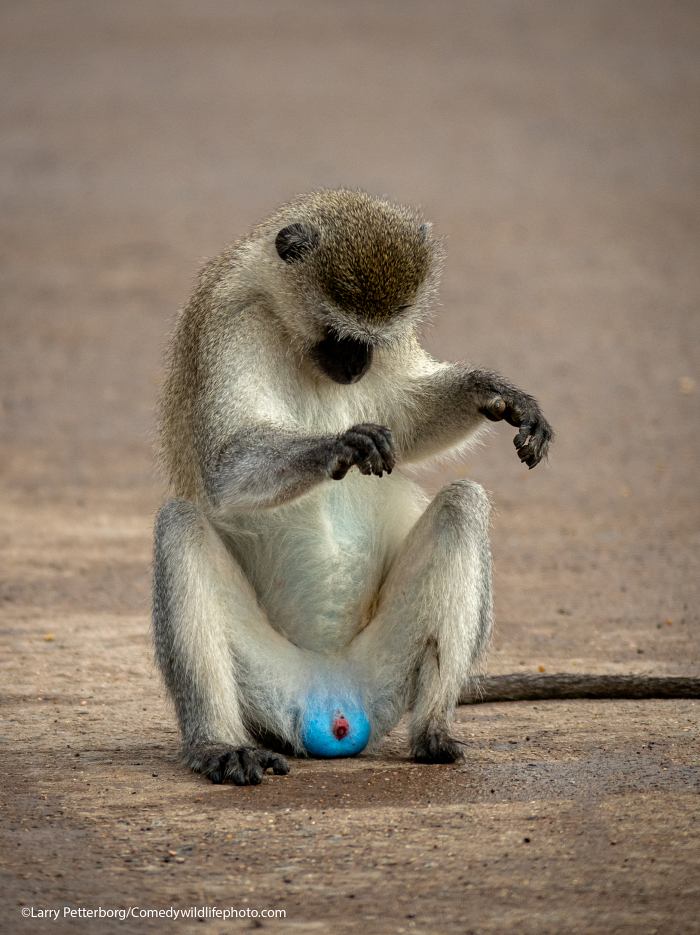
Just Checking
The Comedy Wildlife Photography Awards 2021 / Larry Petterborg
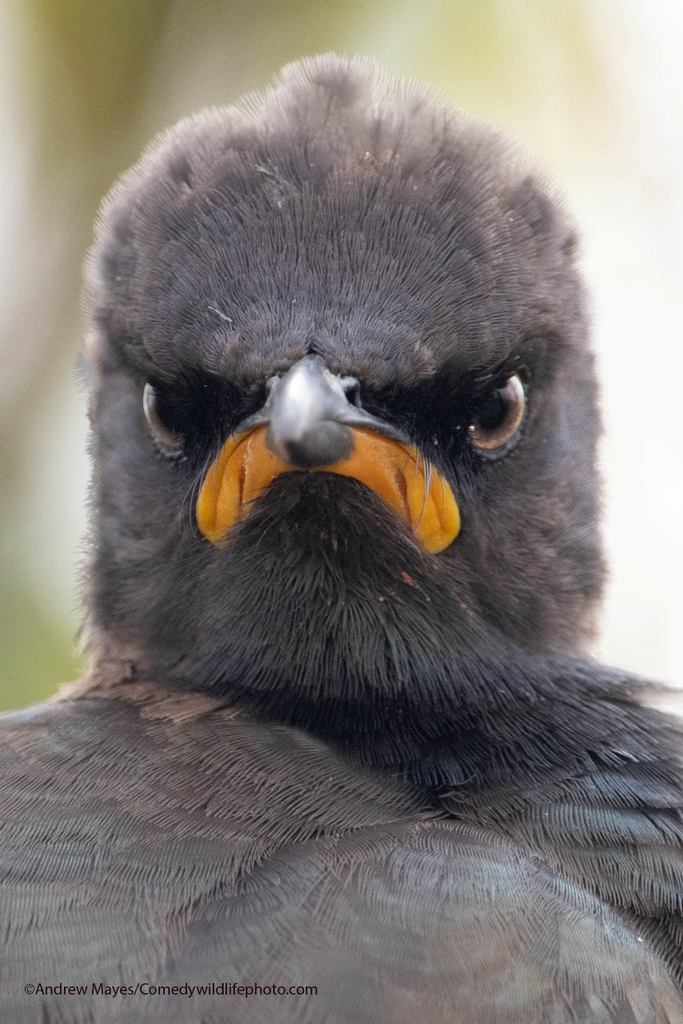
Monday Morning Mood
The Comedy Wildlife Photography Awards 2021 / Andrew Mayes
Laughing Snake
The Comedy Wildlife Photography Awards 2021 / Aditya Kshirsagar
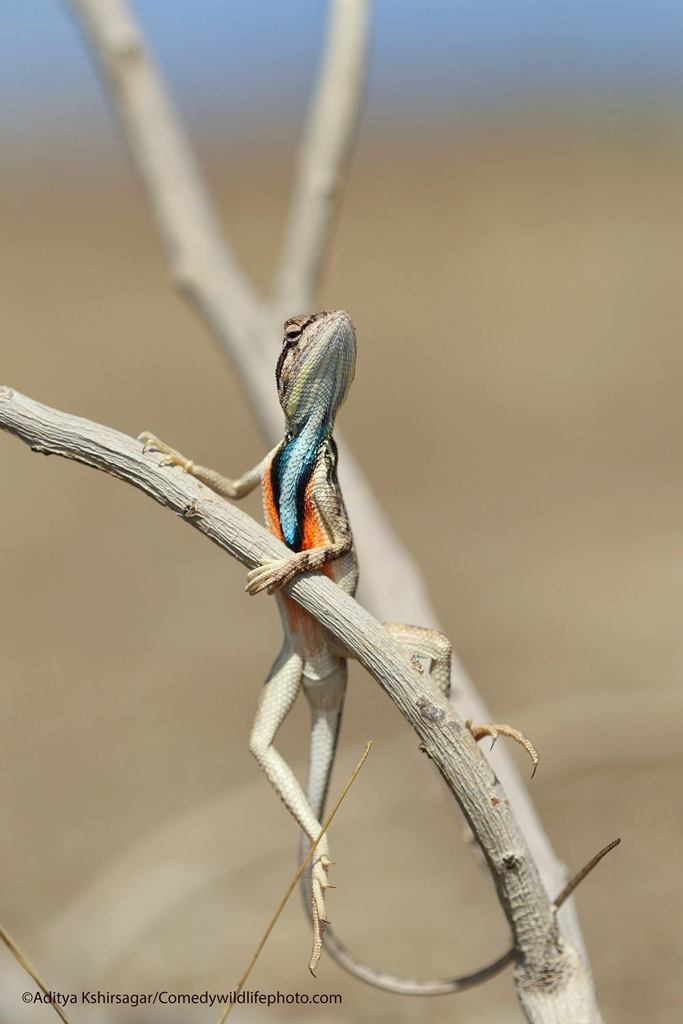
Attitude!!
The Comedy Wildlife Photography Awards 2021 / Aditya Kshirsagar
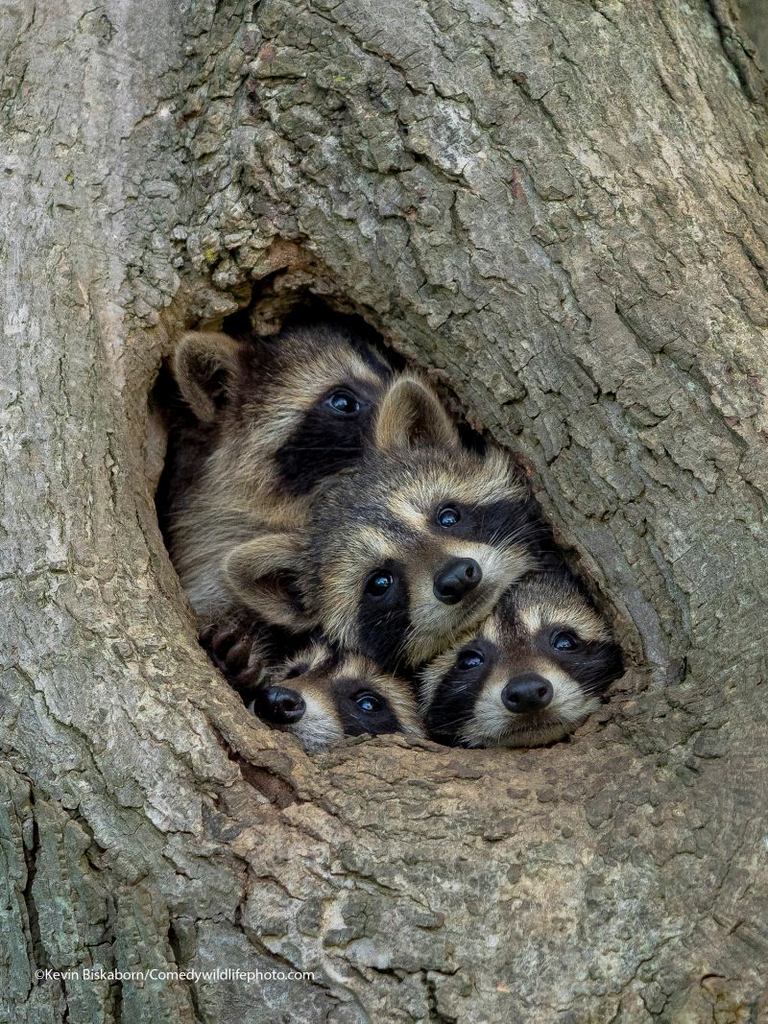
Quarantine Life
The Comedy Wildlife Photography Awards 2021 / Kevin Biskaborn


On the Verge

Roadside verges – something to cherish

Because 97% of our wildflower meadows have disappeared since the 1930s, roadside verges provide an important food source for insects, birds and bats.  Buglife have reviewed the evidence on the importance of verges for pollinating insects and found that as well as a food source they provide shelter, nesting and hibernation sites.

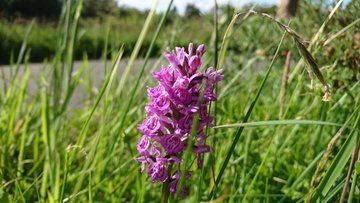
Roadside Orchid
Roadside Orchid

Here in Stinchcombe

Have you noticed how rich in wildflowers Stinchcombe’s outlying roadside verges are?  In mid-July we found about seventy species on Echo Lane, including orchids (see photo above).  Seventy sounds a lot but, according to Plantlife over 700 species grow on British verges.  

We’re also lucky to have a few miles of different types of verge; lowland grassy, wooded, urban and probably a bit of damp verge too. 

Trouble in Paradise?

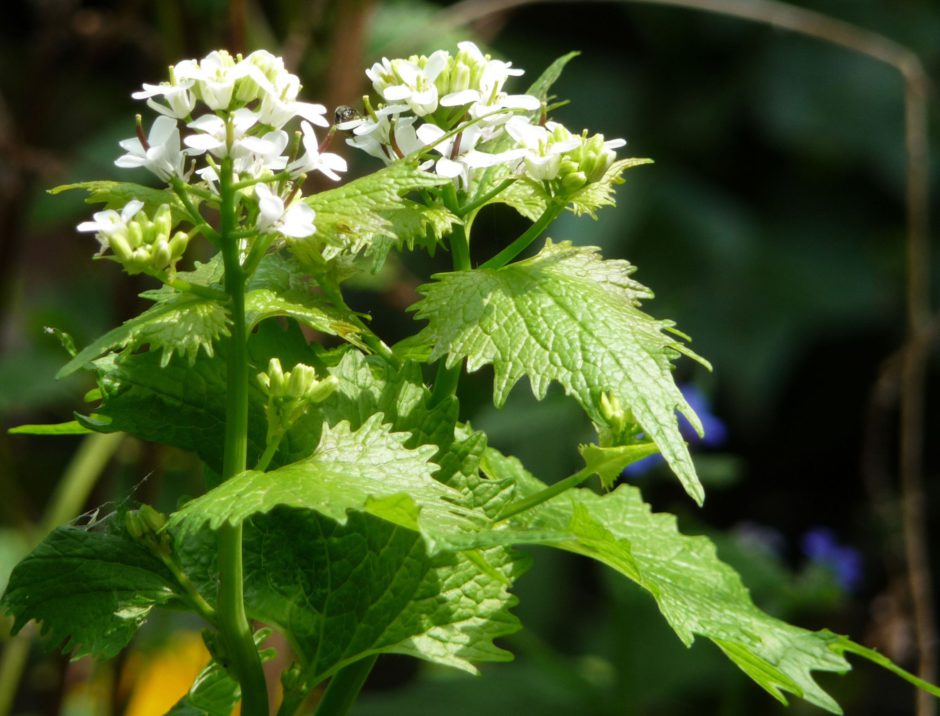
Verges are vulnerable to poor management, progressively losing their wildflower diversity and their value to wildlife.  The main problem is cutting them too early before the summer-flowering plants have set seed.  Failing to remove the clippings makes things worse because they release nutrients that are bad for most wildflowers.  Early flowering plants e.g. garlic mustard (see below) and ones that tolerate fertile soil and don’t rely on setting seed to spread e.g. cow parsley do well but at the expense of other species.

Garlic Mustard
Garlic Mustard

It was Jess who first suggested that we should do more to look after our verges and the invertebrates that rely on them.  Trudy and Kath have been doing some surveys to find out what wildflower species we currently have.

How to increase wildflower diversity

Sowing a generic seed mix for a quick explosion of colour that has mostly disappeared by the following year is definitely not a good idea!  The Good Verge Guide strongly recommends establishing an appropriate mix of perennial native flowers. Although this approach is slower and more effortful, once in place it helps a wide range of wildlife for years to come.  It is also cheaper in the long run because the new plants should be self-sustaining.

What has been done so far

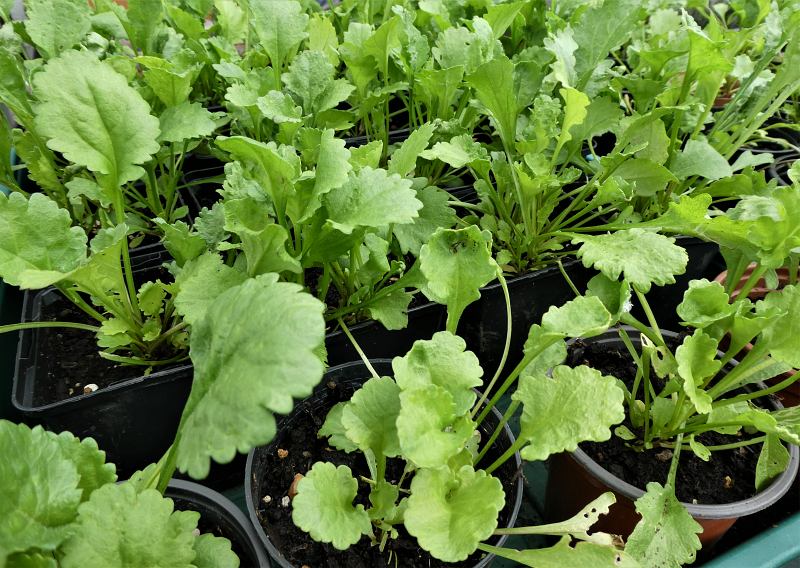
We have collected small amounts of seed locally, including yellow rattle, foxgloves, ox-eye daisies, field scabious, musk mallow, red campion and white campion.  Trudy, the green-fingered one, is already nurturing lots of little plants.  Photo of Trudy’s ox-eye daisy seedlings

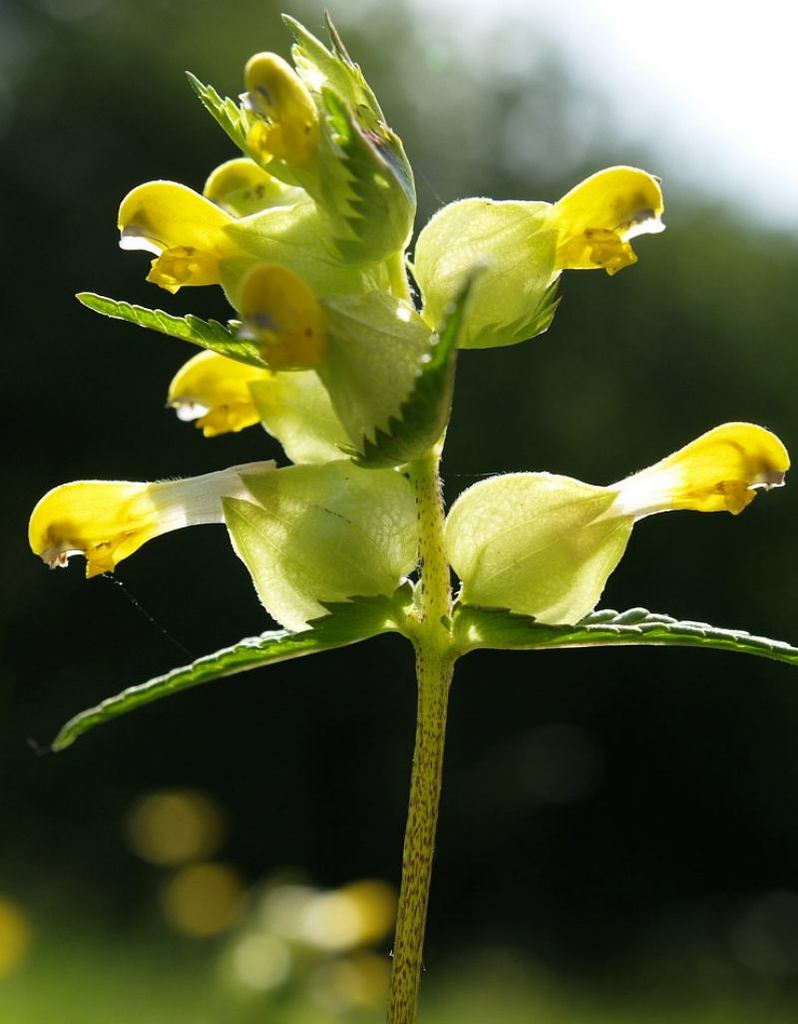
Yellow Rattle
Yellow Rattle

Proposed next steps

We would like to do some limited planting in three areas.  The aim is a gentle build on each years’ successes (or failures) culminating in self-seeding, self-sustaining verges.

Wick Lane in front of the churchyard wall – the objective this autumn is to sow patches of yellow rattle, with red poppies for additional colour. Yellow rattle is known as nature’s own lawnmower because it can reduce grass growth by up to 60%, making it easier for other wildflowers to grow.

Less grass and less frequent mowing is also good news for Russell Legg and his team.  And don’t worry, we’ll work around the snowdrops and daffodils that already give such a lovely display each year. As the yellow rattle does its work we will introduce other wildflowers to increase the diversity and interest. 

The Avenue – the introduction of foxgloves and ox-eye daisies (see below) between the trees this autumn, followed by a couple of other shade-tolerant plants next year. 

Trudys ox-eye seedlings

Clingre end of Oldhill Lane – we plan to introduce white campion initially in this sunny area.

Let us know what you think

We have already discussed these ideas with the Parish Council, and with Rev Fiona in the case of the Wick Lane plot.  It would be helpful to know what residents think via the comments facility or by contacting Kath or Trudy directly.  Admittedly, there are valid concerns about wildflower areas looking untidy at times, overhanging pavements or obstructing drivers’ or pedestrians’ view of the road.  We believe that these can be addressed to a large degree and are happy to discuss how this might be achieved. 

Would you like to get involved?

There is plenty of scope to get involved e.g.

  • joining in with next year’s wildflower survey
  • donating small native wildflower plants grown using your own seed (no garden hybrids or foreign imports please, however pretty they look in the garden)
  • giving us the benefit of your expertise if you have a successful wildflower area
  • helping to collect and dispose of clippings after mowing
  • committing to mowing later and less frequently if you maintain a stretch of verge


Endemic NOT Pandemic

We will NOT achieve herd immunity with COVID

It seems increasing likely that COVID is here to stay. If not for ever, then certainly for years to come. The Delta variant is so infectious that everyone WILL be exposed to it at some point, probably by someone who is asymptomatic.

Here in the UK if you have had two doses of the vaccine:

  • You are 49% less likely of being infected compared with unvaccinated people.
  • If you DO catch COVID, you are then around 25 times less likely to end up in hospital than someone who has not had the vaccine.
  • If you DO end up up in hospital, you are also less likely to die.

This Winter

So far, the UK Vaccine program has prevented 60,000 deaths. However, a winter wave of COVID is inevitable together with a larger than normal flu season. (Dr Mark Porter – The Times) A booster program for COVID for the winter is being planned. So make sure you get both jabs if offered.

The Future

My predictions for Winter 2021 onwards

  • Routine Testing will become less important in schools and workplaces etc. Testing will only happen at point of infection or for travel.
  • We will have to learn “To live with COVID” the genie is out of the box!
  • Travel will open right up.
  • Events will open right up
  • No more lockdowns

COVID is here to stay………..we have to live with it.

Nature – February 2021


ETIAS is coming in 2023

British citizens will require an ETIAS to visit EU member countries in 2023

The EU now consider the UK as a ‘third-country’. At present we can travel to the EU without a travel authorization until the ETIAS is launched in 2023. The ETIAS requirement for British travellers was confirmed by the EU in 2019.

What is ETIAS?

ETIAS stands for the EU Travel Information and Authorisation System. It was announced by the European Commission in 2016

How will I apply?

You can only apply online for ETIAS, as you would any other electronic travel authorization. Mail or postal applications are not accepted.

Do I need to apply for a separate ETIAS for each country I visit?

No, only one approved ETIAS is required per traveller to visit all ETIAS member countries. You do not need to apply for an ETIAS for each member country you visit. An approved ETIAS will cover all visits to ETIAS member countries, regardless the travellers point of E.U. entry or exit

How long is the ETIAS valid for?

The ETIAS will be valid for three years, or the date of passport expiry (whichever comes first), and can be used for stays of up to 90 days in a 180 day period.

Want to know more?


Ride+Stride for churches – Sept. 2021

Gloucestershire Historic Churches Trust “Ride and Stride” Event

On Saturday 11th September 2021 it will be the Gloucestershire Historic Churches Trust “Ride and Stride” event.

Andy Hamilton, Phil Joynson, Paul Creamer and Richard Bartlam, will once again be cycling on behalf of St Cyr’s. The route this year can be found HERE. Starting from Street farm and will involve loads of churches, 90km, hills and dales, but coming back to St Cyr’s during the afternoon.

They will be visiting as many churches as they can along the way, – so please encourage them with your generous sponsorship!

You can pledge your sponsorship at the “justgiving” website (search on the justgiving website for “St Cyr Stinchcombe”) or use this link: https://www.justgiving.com/fundraising/stcyrstinchcombe

or complete the form at the back of St Cyr’s Church.

Thank you for your support and generosity. This Charity provides valuable funds and expertise to maintain all our amazing Churches in the county, and 50% of all funds raised will be directly returned to St Cyr.

Ride and Stride 2020
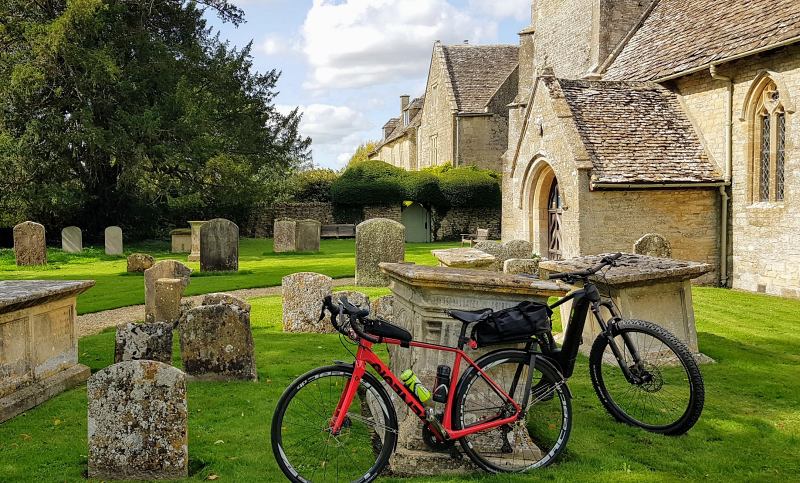
Some churches are pretty
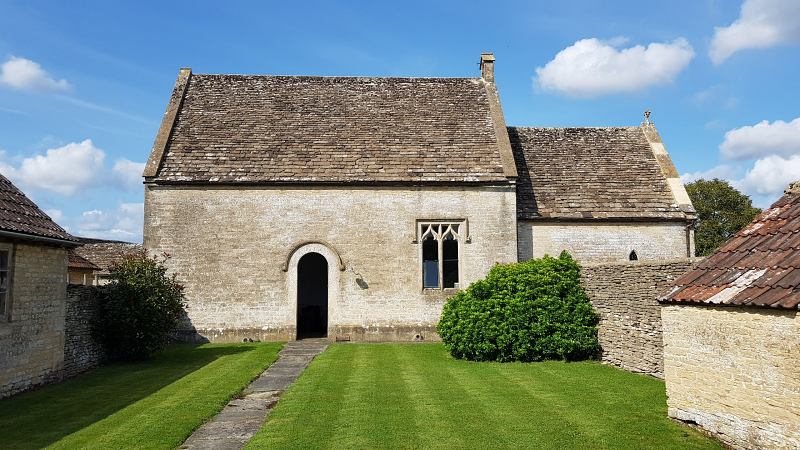
And some churches are smaller

Help! It would be nice to have other cyclists with us as I struggle to keep up with Andy! – Richard


It’s a Lottery

No, we don’t mean crossing The Street at busy times, though that can be a game of chance.  We’re talking about the Lucky Severn Lottery.

You can support Stinchcombe Speed Watch by buying a ticket from our lottery page.  It’s easy to access using the QR code on the flyer.

Every penny we get will go towards improving road safety in Stinchcombe.  The increase in Parish Precept (i.e. your council tax) will pay for the vehicle-activated sign.  But we want to do more, starting with automated traffic counts to provide the comprehensive evidence we need and village gateways like those in Slimbridge.

We’ve been set a target of 50 tickets in the first 28 days.   Please help us to meet it – just 18 more tickets before the end of August and we’re there!

Lucky Severn